
For decades, conversations about body image have centered primarily on girls and women. Yet a growing body of research suggests that young men are also grappling with significant pressures related to appearance, muscularity, and self-esteem. Meanwhile, cultural stereotypes often portray men as less concerned with how they look. However, psychological research increasingly shows that body dissatisfaction among males is both widespread and consequential for mental health.
Body Image in Young Men: Why It Matters
Body image refers to the way individuals perceive, think, and feel about their physical appearance. In adolescence and young adulthood, identity and social belonging are especially important. Therefore, body image can play a powerful role in shaping self-esteem. During this period, young men are often navigating expectations about masculinity, attractiveness, and strength. At the same time, they are comparing themselves to peers, athletes, and media portrayals of the “ideal” male body.
How Common Is Body Dissatisfaction in Men?
Research suggests that dissatisfaction with one’s body is surprisingly common among men. Surveys of U.S. adults indicate that roughly 9% to 28% of men report significant body dissatisfaction. This range reflects variation across age groups and measures of appearance concerns. In broader international samples, dissatisfaction rates among young adults can be even higher. For example, some studies find that over 40% of men feel their bodies are either larger or smaller than they ideally want them to be.
The Muscular Ideal and Conflicting Expectations
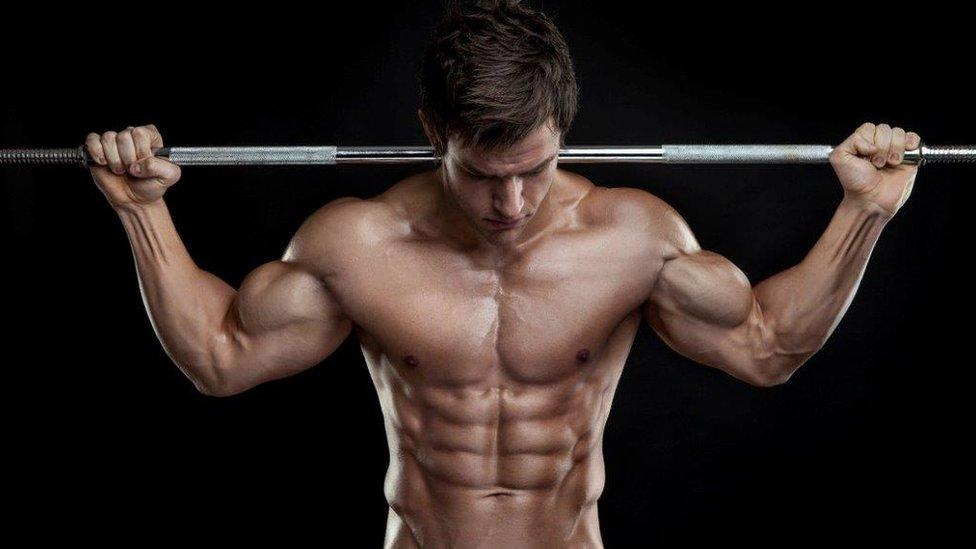
Unlike women, who often experience pressure toward thinness, young men frequently face a different and sometimes conflicting ideal. The expectation is to be both lean and muscular. This phenomenon is sometimes referred to as the “muscular ideal.” Many young men report dissatisfaction not because they feel their body weight is higher than desired, but because they believe they are not muscular enough. In research with young male samples, dissatisfaction with muscle size can be even more common than dissatisfaction with body fat.
Mental Health Effects of Body Image in Young Men
These concerns are not merely cosmetic. Body dissatisfaction has been linked to a range of mental health difficulties, including anxiety, depression, and eating disorders. In adolescents, body image dissatisfaction is associated with increased risk for generalized anxiety, social anxiety, and obsessive thoughts about appearance. When young men perceive a gap between their current bodies and the cultural ideal, the psychological impact can be significant.
Eating Disorders in Young Men
Eating disorders among males are also increasingly recognized as a major public health concern. Historically considered a “female problem,” disordered eating behaviors among boys and men were often overlooked or underdiagnosed. Recent studies, however, suggest that a substantial number of young men may struggle with symptoms such as episodes of uncontrolled eating, restrictive dieting, or compulsive exercise. Notably, some estimates indicate that as many as one in five young men may meet criteria for a probable eating disorder in certain samples.
Muscle Dysmorphia and Body Image Distortion
Another emerging concern is muscle dysmorphia, sometimes described as the “reverse” of anorexia. Individuals with this condition may see themselves as too small or insufficiently muscular despite being objectively fit or even heavily muscled. The condition can lead to excessive weightlifting, strict dietary regimens, steroid use, and significant distress about appearance. Researchers increasingly view muscle dysmorphia as part of the broader spectrum of body dysmorphic disorders affecting men.
The Impact of Social Media and Modern Trends
The role of media and social media cannot be overlooked. In previous decades, exposure to idealized male bodies came primarily from movies or magazines. Today, young men encounter curated images of muscular physiques across social media platforms on a near-constant basis. In addition, influencers and “fitness culture” accounts often present physiques that are difficult or unrealistic for most people to achieve. This can intensify self-comparison and dissatisfaction.
The Rise of “Looksmaxxing” Culture
New online trends illustrate how these pressures can escalate. Some social media communities promote ideas such as “looksmax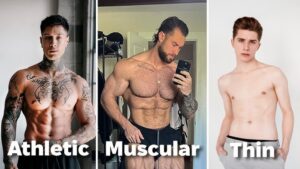 xing,” which encourages young men to optimize every aspect of their appearance—from muscle mass to facial structure—in pursuit of attractiveness and social status. Experts warn that such content can reinforce the belief that a man’s value depends largely on his physical appearance, contributing to rising levels of anxiety and disordered eating behaviors among boys and young men.
Why Many Young Men Don’t Seek Help
Despite the prevalence of these issues, young men often face unique barriers to seeking help. Cultural norms around masculinity frequently discourage emotional vulnerability or discussions about appearance insecurity. As a result, many men feel pressure to hide their struggles. In fact, some believe that concerns about body image are somehow unmanly or trivial.
Ironically, research suggests that body image concerns in men may be less recognized but not necessarily less psychologically harmful. Some studies indicate that men experiencing body image distress can report substantial impacts on quality of life. For instance, there may be reduced self-esteem and increased depressive symptoms. Because male body image problems often revolve around muscularity rather than thinness, they may also go unnoticed by clinicians. This is especially likely among clinicians who are more accustomed to traditional eating disorder presentations.
Developmental and Social Risk Factors
There are also developmental factors at play. Adolescence is a period marked by rapid physical changes and social comparison. Boys who mature earlier or later than their peers may feel particularly vulnerable to negative body evaluations. Similarly, participation in sports, peer teasing, and exposure to unrealistic body standards can amplify concerns during this formative period.
Different Types of Body Image Pressure in Men
Importantly, body dissatisfaction in men is not a uniform experience. Some young men feel pressure to lose weight, while others feel pressure to gain muscle or size. This dual pressure—be lean but also muscular—can create an almost unattainable standard. As a result, dissatisfaction can persist even among men who are objectively healthy and physically fit.
How to Support Healthier Body Image in Young Men
Addressing body image concerns in young men requires broad cultural and clinical shifts. Mental health professionals increasingly advocate for expanding body image research beyond female populations. They also suggest incorporating male-specific experiences into prevention and treatment efforts. Moreover, psychoeducation, media literacy, and discussions about healthy masculinity can all help young men develop more realistic and compassionate perspectives toward their bodies.
Final Thoughts on Body Image in Young Men
Ultimately, body image struggles among young men highlight an important truth: concerns about appearance are not limited to any single gender. By acknowledging these challenges openly and without stigma, clinicians, educators, and families can help young men build resilience. This can also encourage self-acceptance and a healthier relationship with their bodies.
If you are in Massachusetts and would like to make an appointment with a licensed therapist who works with young men facing body image concerns, visit TCAcounseling.com.
TCA Counseling Group in Boston have therapists who help young men facing body image and self-esteem challenges.
