
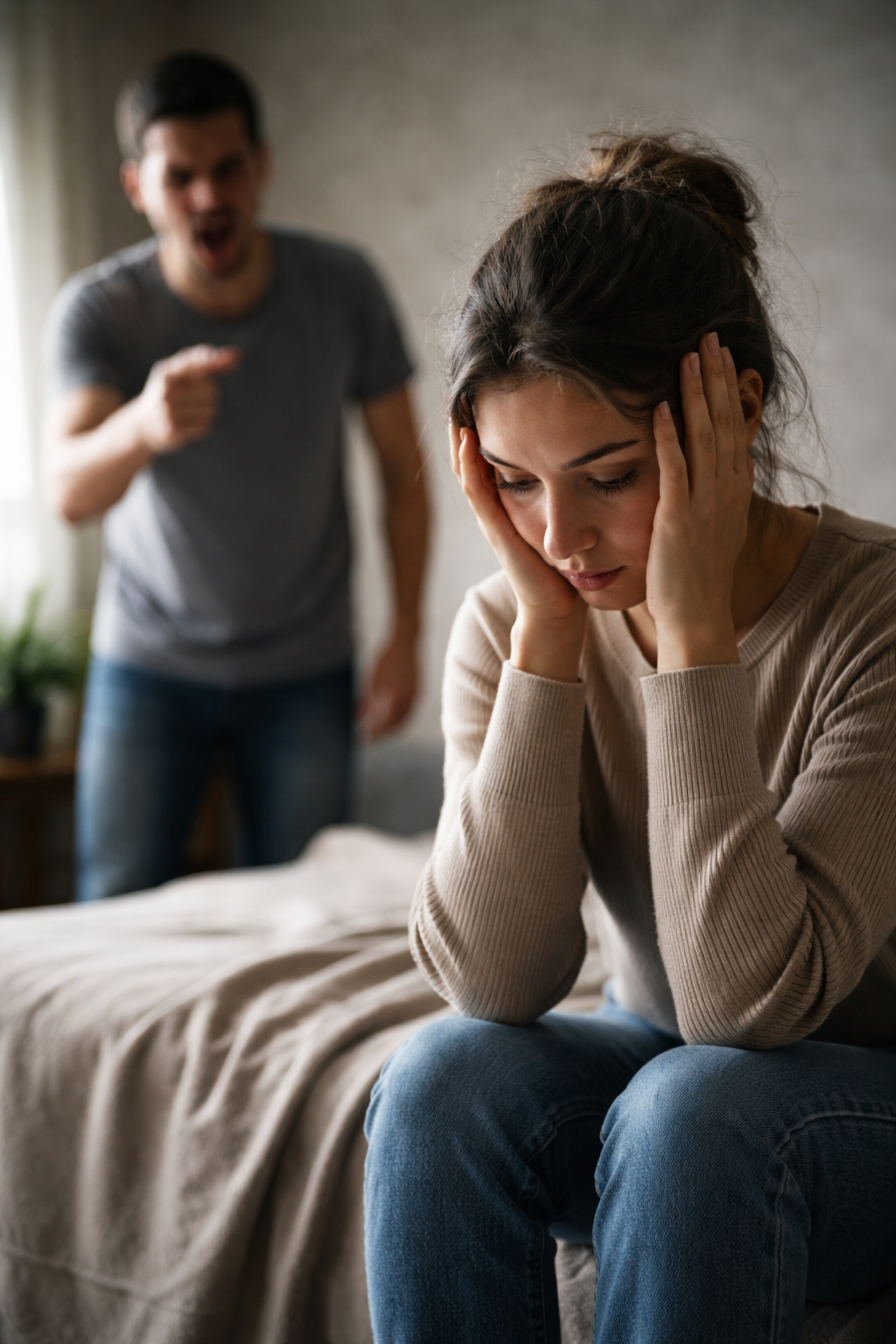
A controlling relationship often begins subtly, disguised as care, protection, or deep emotional investment. What initially feels like attentiveness can slowly shift into restriction, monitoring, and manipulation. Over time, individuals may begin to question their autonomy, their judgment, and even their sense of self.
What Is a Controlling Relationship?
At its core, a controlling relationship is defined by an imbalance of power. One partner consistently attempts to dominate the other’s thoughts, behaviors, decisions, or social connections. This dynamic can appear in romantic relationships, but also in friendships and family systems. The controlling partner often positions themselves as the authority, while the other gradually adapts to avoid conflict.
Common Signs of Control in Relationships
Control can take many forms, some more obvious than others. It may involve dictating what someone wears, who they see, or how they spend money. In other cases, it manifests as emotional manipulation—guilt-tripping, gaslighting, or constant criticism. These behaviors erode confidence and create dependency over time.
Gaslighting and Emotional Manipulation
Gaslighting, in particular, is a powerful tool of control. It involves distorting reality to make the other person doubt their perceptions or memory. Victims may hear phrases like “you’re overreacting” or “that never happened,” leading them to question their own experiences. Research shows that gaslighting can significantly impact mental health, contributing to anxiety, depression, and diminished self-trust (Sweet, 2019).
Isolation and Dependency
Another hallmark of controlling relationships is isolation. A controlling partner may discourage or forbid contact with friends, family, or colleagues. They may frame this as concern—suggesting others are a bad influence—but the underlying goal is to reduce outside perspectives. Isolation increases dependence, making it harder for individuals to recognize unhealthy dynamics or seek help.
Why Do People Become Controlling?
Control is often rooted in insecurity and fear. Individuals who exhibit controlling behavior may struggle with abandonment, low self-esteem, or a need for dominance. However, understanding the origin of these behaviors does not justify them. Healthy relationships are built on mutual respect, not fear or coercion.
Psychological Impact of Controlling Relationships
Over time, those in controlling relationships may internalize the dynamic. They may begin to believe they are incapable of making decisions or that they need their partner’s approval. This learned helplessness can make leaving the relationship feel overwhelming or even impossible. Studies on coercive control highlight how prolonged exposure can reshape a person’s sense of agency (Stark, 2007).
Emotional Abuse and Its Effects
Emotional abuse often accompanies control, though it may not always be recognized as such. Unlike physical abuse, emotional abuse leaves no visible marks, making it easier to minimize or dismiss. Yet its impact can be profound, affecting self-esteem, identity, and long-term mental health outcomes (National Domestic Violence Hotline, 2021).
Trauma Bonding and the Cycle of Control
One of the most challenging aspects of controlling relationships is the intermittent reinforcement of affection. Periods of kindness or apology can create hope that things will improve. This cycle—often referred to as the “honeymoon phase”—can keep individuals emotionally invested despite ongoing harm. It mirrors patterns seen in trauma bonding, where attachment is strengthened through unpredictability (Dutton & Painter, 1993).
How to Recognize the Signs Early
Recognizing the signs of control is the first step toward change. These signs include constant monitoring, excessive jealousy, criticism disguised as concern, and pressure to conform. Feeling anxious about a partner’s reactions or altering behavior to avoid conflict are also important indicators.
Once awareness develops, it becomes crucial to rebuild a sense of autonomy. This may involve reconnecting with supportive people, engaging in independent activities, or setting small boundaries. Even minor acts of self-assertion can begin to restore confidence and clarity.
How to Set Boundaries Safely
Setting boundaries in a controlling relationship can be difficult and, at times, risky. A controlling partner may react with anger, manipulation, or escalation. It is important to approach boundary-setting with support, whether from friends, family, or a mental health professional. Safety should always be a priority.
How Therapy Can Help
Therapy can be a powerful resource for individuals navigating controlling relationships. A trained clinician can help identify patterns, process emotions, and develop strategies for regaining independence. Cognitive-behavioral approaches, in particular, can help challenge distorted beliefs and rebuild self-efficacy.
In some cases, leaving the relationship may be the healthiest option. This decision is deeply personal and often complex. Factors such as financial dependence, shared living situations, or children can complicate the process. Creating a safety plan and seeking professional guidance can make this transition more manageable.
Leaving a Controlling Relationship
It is important to acknowledge that leaving a controlling relationship is not a single event but a process. Emotional detachment, logistical planning, and recovery all take time. Feelings of guilt, fear, or doubt are common and do not indicate weakness—they reflect the depth of the attachment and the impact of the control.
Healing and Rebuilding After Control
Rebuilding life after a controlling relationship involves rediscovering identity. Many individuals report needing to reconnect with their preferences, values, and goals. This process can be both liberating and disorienting, as it requires learning to trust oneself again.
Support networks play a critical role in recovery. Friends, family, and support groups can provide validation and encouragement. Knowing that others have experienced similar dynamics can reduce feelings of isolation and shame.
Building Healthy Relationships
Ultimately, healthy relationships are characterized by mutual respect, trust, and freedom. Partners support each other’s growth rather than restrict it. Love does not require control; in fact, genuine connection thrives in the presence of autonomy.
If you suspect you are in a controlling relationship, know that help is available. Awareness is the first step, but action—supported by others—can lead to meaningful change. Everyone deserves a relationship where they feel safe, valued, and free to be themselves.
If you are in Massachusetts and would like to make an appointment with a licensed therapist who works with people in controlling relationships, visit TCAcounseling.com.
References
Dutton, D. G., & Painter, S. (1993). Emotional attachments in abusive relationships: A test of traumatic bonding theory. Violence and Victims, 8(2), 105–120.
National Domestic Violence Hotline. (2021). Recognizing the signs of abuse.
Stark, E. (2007). Coercive Control: How Men Entrap Women in Personal Life. Oxford University Press.
Sweet, P. L. (2019). The sociology of gaslighting. American Sociological Review, 84(5), 851–875.
