
Posts Tagged ‘Virtual EMDR’
The Benefits of Telehealth Counseling: Effective Online Therapy with a Personalized Approach

Telehealth counseling has rapidly evolved from a niche service into a central component of modern mental health care. Previously, it was considered a convenient alternative. However, it is now widely recognized as an effective, evidence-based method for treating a broad range of mental health disorders. As individuals navigate increasingly complex lives, telehealth offers a flexible,…
Read MoreObsessive-Compulsive Disorder (OCD): Types, Causes, and Effective Treatments Explained
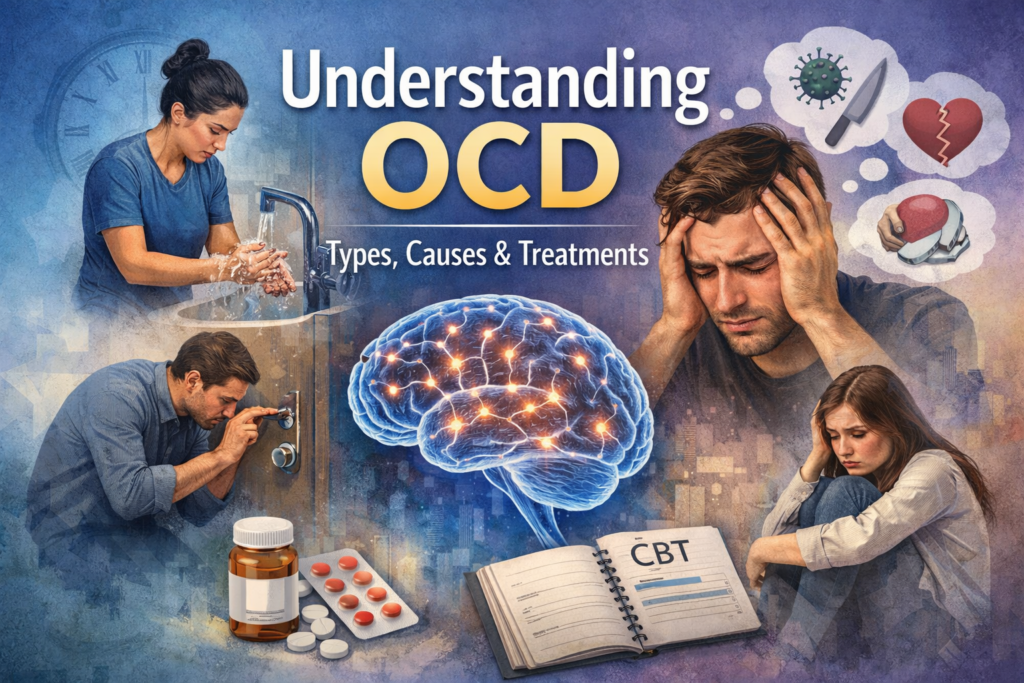
Obsessive-Compulsive Disorder (OCD) Obsessive-Compulsive Disorder (OCD) is a mental health condition that is often misunderstood, minimized, or inaccurately portrayed in popular culture. While many people casually refer to themselves as “a little OCD,” the lived experience of OCD is far more complex and distressing. It involves persistent, intrusive thoughts (obsessions) and repetitive behaviors or mental…
Read MoreMindfulness and Self-Care: The Science of Slowing Down to Heal Your Mind

Mindfulness and self-care have become increasingly prominent in conversations about mental health, yet they are often misunderstood as trends rather than evidence-based practices. At their core, both concepts offer practical, accessible ways to improve emotional well-being, reduce stress, and cultivate a more balanced relationship with oneself. Rooted in both ancient contemplative traditions and modern psychological…
Read MoreWhy Many Patients Choose Private Practice Therapy Over Corporate Platforms

The Rise of Digital Therapy Platforms In recent years, the landscape of mental health care has changed dramatically. Large digital therapy platforms such as BetterHelp and Thriveworks have made therapy more accessible through apps and online portals. However, many patients still prefer private practice therapy, where they can work directly with an independent therapist. For…
Read MoreReprocessing the Past, Reclaiming the Present: How EMDR Helps Heal Depression and Anxiety

What Is EMDR Therapy? EMDR for depression and anxiety is gaining increasing attention in mental health research. Eye Movement Desensitization and Reprocessing (EMDR) is often associated with trauma treatment. Eye Movement Desensitization and Reprocessing (EMDR) is often associated with trauma treatment. However, growing research and clinical experience suggest it can also be a powerful intervention…
Read MoreReframing Stress: How CBT Calms the Mind and Body

Cognitive Reframing: A Powerful Tool for Managing Stress What Is Cognitive Reframing? Cognitive reframing is one of the most practical and research-supported tools for managing stress. Rooted in Cognitive Behavioral Therapy (CBT), it rests on a deceptively simple idea: our thoughts influence our emotional and physiological responses. While we cannot eliminate stressors from our lives,…
Read MoreEmotional Abuse: Signs to Recognize and Treatments

Emotional Abuse: Signs, Effects, and Definition Emotional abuse—also called psychological abuse—is a pattern of behavior that harms a person’s sense of self. It may include control, manipulation, isolation, or constant criticism. Unlike physical abuse, it often leaves no visible marks. Emotional abuse can happen in relationships, families, schools, workplaces, and care settings. It often develops…
Read MoreUnderstanding EMDR Therapy and Its Benefits for PTSD

What Is EMDR Therapy for PTSD? Eye Movement Desensitization and Reprocessing (EMDR) is a psychotherapy approach that effectively treats post-traumatic stress disorder (PTSD). Psychologist Dr. Francine Shapiro developed EMDR in the late 1980s. Since then, it has become one of the most researched and recommended trauma therapies. Organizations such as the American Psychological Association and…
Read More