
Uncategorized
Looksmaxing, Masculinity, and the Quiet Rise of Body Dysphoria in Young Men
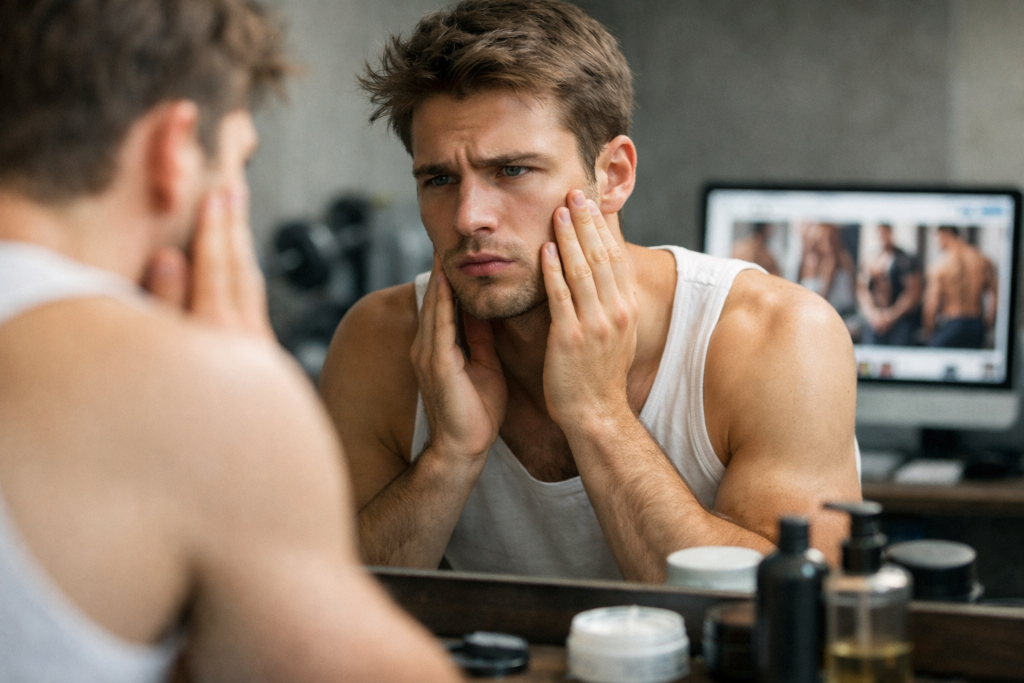
What Is Looksmaxing? The term “looksmaxing” has rapidly migrated from obscure online forums into mainstream awareness, reflecting a growing preoccupation among young men with optimizing their physical appearance. While self-improvement is not inherently harmful, the intensity and rigidity often associated with looksmaxing suggests something deeper—an emerging pattern that parallels body dysmorphia and broader forms of…
Read MoreMidlife Crisis vs Midlife Transition: What’s the Difference?

What Is a Midlife Crisis? Midlife is often portrayed as a turbulent period marked by dramatic changes, impulsive decisions, and emotional upheaval. Popular culture has long popularized the idea of the “midlife crisis,” conjuring images of sudden career shifts, extravagant purchases, or existential despair. However, modern psychological research suggests a more nuanced picture: for many…
Read MoreMidlife Stress and Aging: Causes, Mental Health Impact, and How to Get Help

The Stress of the Middle Passage: Understanding Midlife Pressures and Paths to Support Middle age is often portrayed as a period of stability—a time when careers are established, families are formed, and identities feel more solid. Yet psychological research paints a more nuanced picture. For many, midlife represents a convergence of pressures that can challenge…
Read MoreHigh-functioning anxiety: When you seem fine but feel overwhelmed

On the outside, everything looks under control. You meet deadlines, respond to messages, show up for others, and keep life moving forward. People may even admire how “put together” you seem. But internally, it’s a different story—racing thoughts that don’t slow down, a constant sense of pressure, and the quiet feeling that no matter how…
Read MoreHow to Tell If You Have an Eating Disorder?

Do I Have an Eating Disorder? Recognizing whether you might have an eating disorder can be confusing. This is especially true because many of the behaviors involved—dieting, exercising, or worrying about body image—are normalized in today’s culture. Yet eating disorders are serious mental health conditions that affect emotional, physical, and social well-being. If you’ve been…
Read MoreWhen Love Quietly Fades: Recognizing the Subtle Signs a Partner Is Losing Interest

Romantic relationships rarely end with a single, dramatic moment. More often, they shift gradually, with subtle emotional changes that can be difficult to name but deeply felt. One of the most painful experiences in a partnership is sensing that a partner is losing interest—especially when the change is not openly acknowledged. Understanding the telltale signs…
Read MoreThe Benefits of Telehealth Counseling: Effective Online Therapy with a Personalized Approach

Telehealth counseling has rapidly evolved from a niche service into a central component of modern mental health care. Previously, it was considered a convenient alternative. However, it is now widely recognized as an effective, evidence-based method for treating a broad range of mental health disorders. As individuals navigate increasingly complex lives, telehealth offers a flexible,…
Read MoreMeet Carissa Sarkis, LMHC-C

I am passionate about supporting those in both expected and unexpected life transitions to find their inner strengths, a sense of belonging and working towards their unique set of goals. I earned a Masters of Art Therapy at the School of Visual Arts. Throughout my experience I have had the pleasure of working with a…
Read MoreObsessive-Compulsive Disorder (OCD): Types, Causes, and Effective Treatments Explained
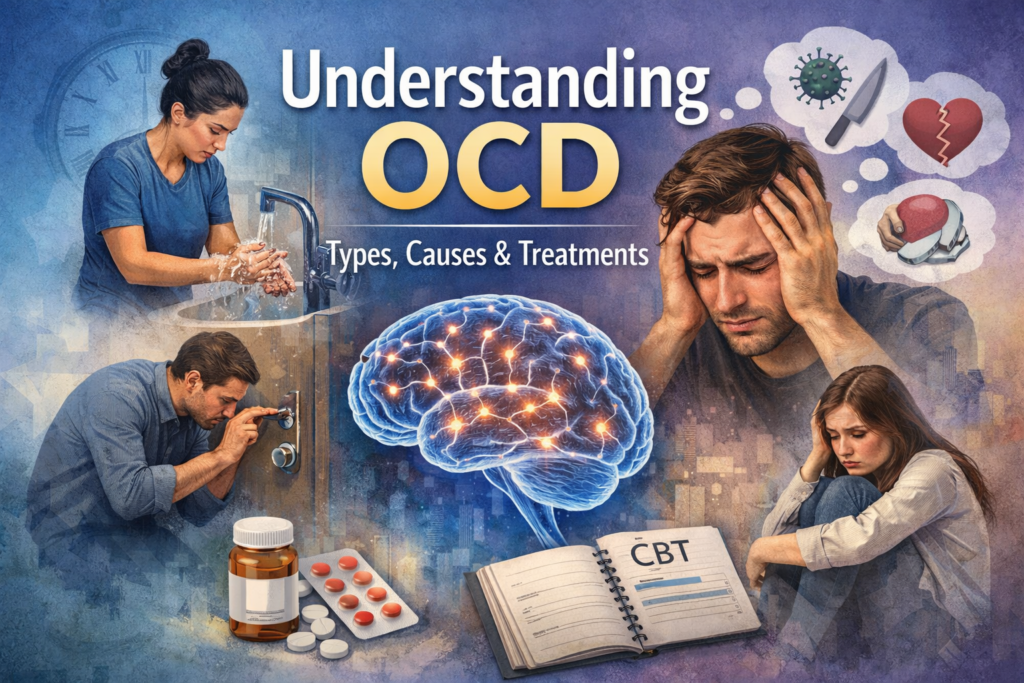
Obsessive-Compulsive Disorder (OCD) Obsessive-Compulsive Disorder (OCD) is a mental health condition that is often misunderstood, minimized, or inaccurately portrayed in popular culture. While many people casually refer to themselves as “a little OCD,” the lived experience of OCD is far more complex and distressing. It involves persistent, intrusive thoughts (obsessions) and repetitive behaviors or mental…
Read MoreMeet Loubensky Lucas, LMHC

Supporting teens, young adults, and individuals navigating chronic health challenges Mental health is rarely shaped by a single factor. For many individuals, emotional well-being is influenced by life transitions, developmental stages, and, at times, the ongoing impact of physical health conditions. Understanding these overlapping experiences is essential in providing meaningful, effective support. Loubensky Lucas offers…
Read MoreMental Health in College Students: Signs, Stress & Support

Supporting mental health in college students Mental health in college students is an increasingly important topic, as early adulthood is often described as a time of growth, independence, and possibility. For many college students, however, it can also feel uncertain, overwhelming, and emotionally demanding. Between academic expectations, social pressures, financial concerns, and questions about the…
Read MoreControlling Relationship: Signs, Effects, and How to Leave

A controlling relationship often begins subtly, disguised as care, protection, or deep emotional investment. What initially feels like attentiveness can slowly shift into restriction, monitoring, and manipulation. Over time, individuals may begin to question their autonomy, their judgment, and even their sense of self. What Is a Controlling Relationship? At its core, a controlling relationship…
Read MoreMindfulness and Self-Care: The Science of Slowing Down to Heal Your Mind

Mindfulness and self-care have become increasingly prominent in conversations about mental health, yet they are often misunderstood as trends rather than evidence-based practices. At their core, both concepts offer practical, accessible ways to improve emotional well-being, reduce stress, and cultivate a more balanced relationship with oneself. Rooted in both ancient contemplative traditions and modern psychological…
Read MoreWhy We Procrastinate and How to Beat It

What Is Procrastination? Procrastination is one of the most common—and misunderstood—psychological habits. If you want to know how to beat procrastination, it’s important to understand its underlying causes. Often dismissed as laziness or poor time management, it is in fact a complex interaction of emotion regulation, cognition, and behavior. Many people who procrastinate are not…
Read MoreWhy We Lie Awake: The Hidden Thoughts That Keep Us Up at Night

Sleep is often portrayed as a simple biological necessity, yet for many adults it becomes an emotional battleground. Long after the lights are off, the mind can come alive with worries, regrets, and unresolved tensions. These nocturnal thought patterns are not random; they often reflect deeper psychological processes that remain unaddressed during the day. In…
Read MoreWhen You Feel Like Giving Up: Understanding Emotional Burnout and Finding Your Way Forward

Feeling like giving up on life—or even just on the responsibilities that come with it—is a deeply human experience, though one that can feel intensely isolating in the moment. Many people encounter periods where motivation collapses, stress accumulates, and even simple tasks feel overwhelming. These moments are often less about a lack of character or…
Read MoreTeletherapy: Flexible and Effective Mental Health Support

In today’s fast-paced and digitally connected world, access to mental health care is evolving. One of the most significant developments in recent years is the rise of teletherapy – a convenient and effective way to receive counseling remotely. For many individuals, teletherapy has made it easier to prioritize mental health without the barriers that can…
Read MoreWhy Depression Is Rising Among Millennial Women

Depression has become one of the most significant mental health challenges facing adults in the United States. Research consistently shows that women experience it at higher rates than men. Among millennial women—generally defined as those born between 1981 and 1996—the prevalence of depressive symptoms has drawn increasing attention from clinicians and public health researchers. This…
Read MorePerfectionism and Mental Health: The Hidden Cost and How Therapy Can Help
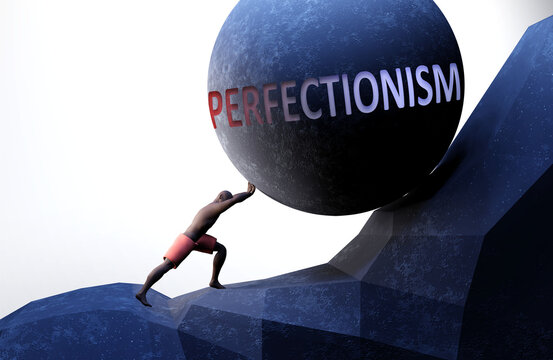
Perfectionism is often misunderstood as a desirable trait. In a culture that celebrates achievement, discipline, and productivity, striving for excellence can seem admirable. Yet psychologists distinguish between healthy striving and perfectionism. While healthy striving involves setting ambitious but realistic goals, perfectionism is characterized by rigid standards, fear of failure, and harsh self-criticism. Over time, this…
Read MoreHow Therapists Help Young Adults Rebuild Self-Esteem: Therapy Makes a Difference

Young adulthood is often portrayed as an exciting time of independence, exploration, and possibility. Yet for many people in their late teens and twenties, this stage can also bring deep self-doubt. Questions about identity, career direction, relationships, and social belonging can intensify feelings of inadequacy. When these doubts become persistent, they can evolve into low…
Read More