
Posts Tagged ‘Boston teletherapy’
Midlife Stress and Aging: Causes, Mental Health Impact, and How to Get Help

The Stress of the Middle Passage: Understanding Midlife Pressures and Paths to Support Middle age is often portrayed as a period of stability—a time when careers are established, families are formed, and identities feel more solid. Yet psychological research paints a more nuanced picture. For many, midlife represents a convergence of pressures that can challenge…
Read MoreHow to Tell If You Have an Eating Disorder?

Do I Have an Eating Disorder? Recognizing whether you might have an eating disorder can be confusing. This is especially true because many of the behaviors involved—dieting, exercising, or worrying about body image—are normalized in today’s culture. Yet eating disorders are serious mental health conditions that affect emotional, physical, and social well-being. If you’ve been…
Read MoreWhen Love Quietly Fades: Recognizing the Subtle Signs a Partner Is Losing Interest

Romantic relationships rarely end with a single, dramatic moment. More often, they shift gradually, with subtle emotional changes that can be difficult to name but deeply felt. One of the most painful experiences in a partnership is sensing that a partner is losing interest—especially when the change is not openly acknowledged. Understanding the telltale signs…
Read MoreThe Benefits of Telehealth Counseling: Effective Online Therapy with a Personalized Approach

Telehealth counseling has rapidly evolved from a niche service into a central component of modern mental health care. Previously, it was considered a convenient alternative. However, it is now widely recognized as an effective, evidence-based method for treating a broad range of mental health disorders. As individuals navigate increasingly complex lives, telehealth offers a flexible,…
Read MoreMeet Carissa Sarkis, LMHC-C

I am passionate about supporting those in both expected and unexpected life transitions to find their inner strengths, a sense of belonging and working towards their unique set of goals. I earned a Masters of Art Therapy at the School of Visual Arts. Throughout my experience I have had the pleasure of working with a…
Read MoreObsessive-Compulsive Disorder (OCD): Types, Causes, and Effective Treatments Explained
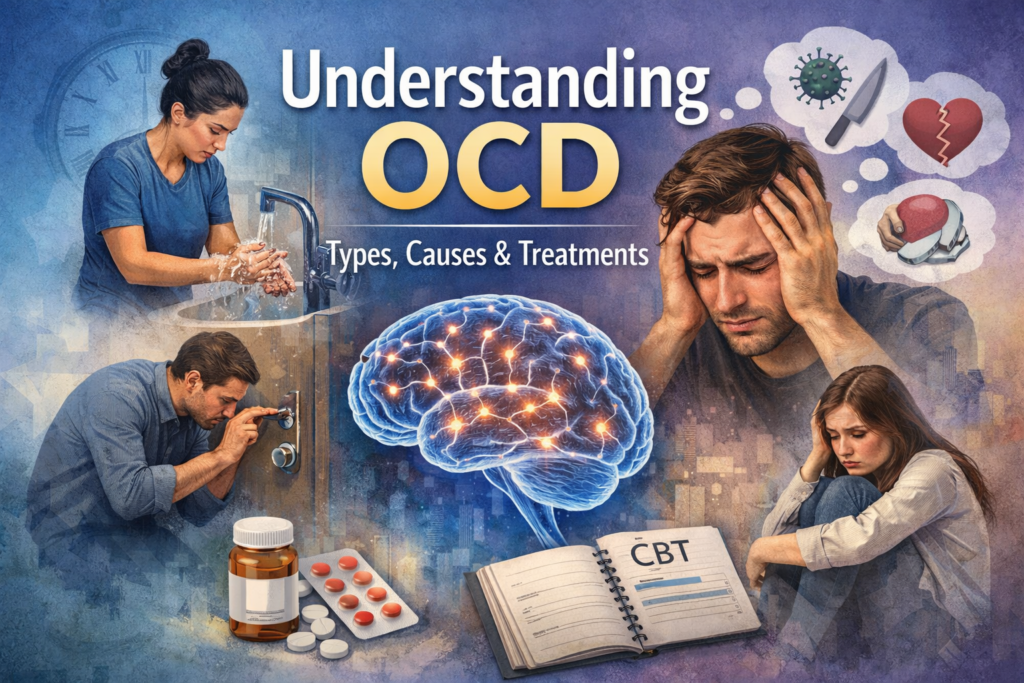
Obsessive-Compulsive Disorder (OCD) Obsessive-Compulsive Disorder (OCD) is a mental health condition that is often misunderstood, minimized, or inaccurately portrayed in popular culture. While many people casually refer to themselves as “a little OCD,” the lived experience of OCD is far more complex and distressing. It involves persistent, intrusive thoughts (obsessions) and repetitive behaviors or mental…
Read MoreControlling Relationship: Signs, Effects, and How to Leave

A controlling relationship often begins subtly, disguised as care, protection, or deep emotional investment. What initially feels like attentiveness can slowly shift into restriction, monitoring, and manipulation. Over time, individuals may begin to question their autonomy, their judgment, and even their sense of self. What Is a Controlling Relationship? At its core, a controlling relationship…
Read MoreMindfulness and Self-Care: The Science of Slowing Down to Heal Your Mind

Mindfulness and self-care have become increasingly prominent in conversations about mental health, yet they are often misunderstood as trends rather than evidence-based practices. At their core, both concepts offer practical, accessible ways to improve emotional well-being, reduce stress, and cultivate a more balanced relationship with oneself. Rooted in both ancient contemplative traditions and modern psychological…
Read MoreWhy We Procrastinate and How to Beat It

What Is Procrastination? Procrastination is one of the most common—and misunderstood—psychological habits. If you want to know how to beat procrastination, it’s important to understand its underlying causes. Often dismissed as laziness or poor time management, it is in fact a complex interaction of emotion regulation, cognition, and behavior. Many people who procrastinate are not…
Read MoreWhen You Feel Like Giving Up: Understanding Emotional Burnout and Finding Your Way Forward

Feeling like giving up on life—or even just on the responsibilities that come with it—is a deeply human experience, though one that can feel intensely isolating in the moment. Many people encounter periods where motivation collapses, stress accumulates, and even simple tasks feel overwhelming. These moments are often less about a lack of character or…
Read MoreWhy Depression Is Rising Among Millennial Women

Depression has become one of the most significant mental health challenges facing adults in the United States. Research consistently shows that women experience it at higher rates than men. Among millennial women—generally defined as those born between 1981 and 1996—the prevalence of depressive symptoms has drawn increasing attention from clinicians and public health researchers. This…
Read MorePerfectionism and Mental Health: The Hidden Cost and How Therapy Can Help

Perfectionism is often misunderstood as a desirable trait. In a culture that celebrates achievement, discipline, and productivity, striving for excellence can seem admirable. Yet psychologists distinguish between healthy striving and perfectionism. While healthy striving involves setting ambitious but realistic goals, perfectionism is characterized by rigid standards, fear of failure, and harsh self-criticism. Over time, this…
Read MoreHow Therapists Help Young Adults Rebuild Self-Esteem: Therapy Makes a Difference

Young adulthood is often portrayed as an exciting time of independence, exploration, and possibility. Yet for many people in their late teens and twenties, this stage can also bring deep self-doubt. Questions about identity, career direction, relationships, and social belonging can intensify feelings of inadequacy. When these doubts become persistent, they can evolve into low…
Read MoreCognitive Behavioral Therapy (CBT): How Changing Your Thoughts Can Change Your Life
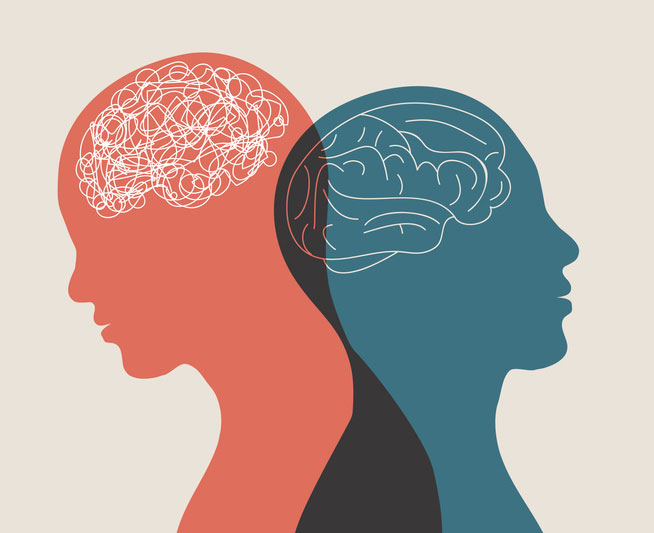
Understanding Cognitive Behavioral Therapy and How Therapists at TCA Counseling Use It to Help Clients Thrive When people begin therapy, they often hope for relief from overwhelming emotions—persistent anxiety, discouraging self-doubt, or a lingering sense of sadness that seems difficult to shake. While the sources of emotional pain can be complex, one of the most…
Read MoreThe Hidden Struggle: Body Image and Self-Esteem Challenges in Young Men

For decades, conversations about body image have centered primarily on girls and women. Yet a growing body of research suggests that young men are also grappling with significant pressures related to appearance, muscularity, and self-esteem. Meanwhile, cultural stereotypes often portray men as less concerned with how they look. However, psychological research increasingly shows that body…
Read MoreWhy Many Patients Choose Private Practice Therapy Over Corporate Platforms

The Rise of Digital Therapy Platforms In recent years, the landscape of mental health care has changed dramatically. Large digital therapy platforms such as BetterHelp and Thriveworks have made therapy more accessible through apps and online portals. However, many patients still prefer private practice therapy, where they can work directly with an independent therapist. For…
Read MoreUnderstanding Panic Attacks: When Fear Floods the Body

What Is a Panic Attack? come out of nowhere. For many people, the first panic attack is so intense it leads them to the emergency room. Heart pounding, chest tight, breath short—it can mimic a heart attack. Yet panic attacks, while deeply distressing, are not life-threatening. Understanding what panic attacks are—and what they are not—is…
Read MoreReprocessing the Past, Reclaiming the Present: How EMDR Helps Heal Depression and Anxiety

What Is EMDR Therapy? EMDR for depression and anxiety is gaining increasing attention in mental health research. Eye Movement Desensitization and Reprocessing (EMDR) is often associated with trauma treatment. Eye Movement Desensitization and Reprocessing (EMDR) is often associated with trauma treatment. However, growing research and clinical experience suggest it can also be a powerful intervention…
Read MoreThe Mental Health Crisis Facing Teens — And How Counseling Can Help

Today’s teenagers are growing up in a world that’s more connected, more demanding, and more stressful than ever before. While adolescence has always been a challenging stage of life, the mental health struggles teens face today are happening at unprecedented levels. Anxiety, depression, and emotional distress are no longer rare — they’re becoming the norm.…
Read MoreMeet Emily Daniels, LMHC-C

Supporting teens and young adults through “adulting” and emotional challenges Adolescence and early adulthood have always been seasons of change — but today’s teens are navigating pressures unlike any generation before them. Between academic demands, social media, uncertainty about the future, and the emotional intensity of growing up, many young people feel overwhelmed long before…
Read More